


Concrete Driveway Mudjacking Mistakes Littleton Homeowners Make With Sunken Driveways
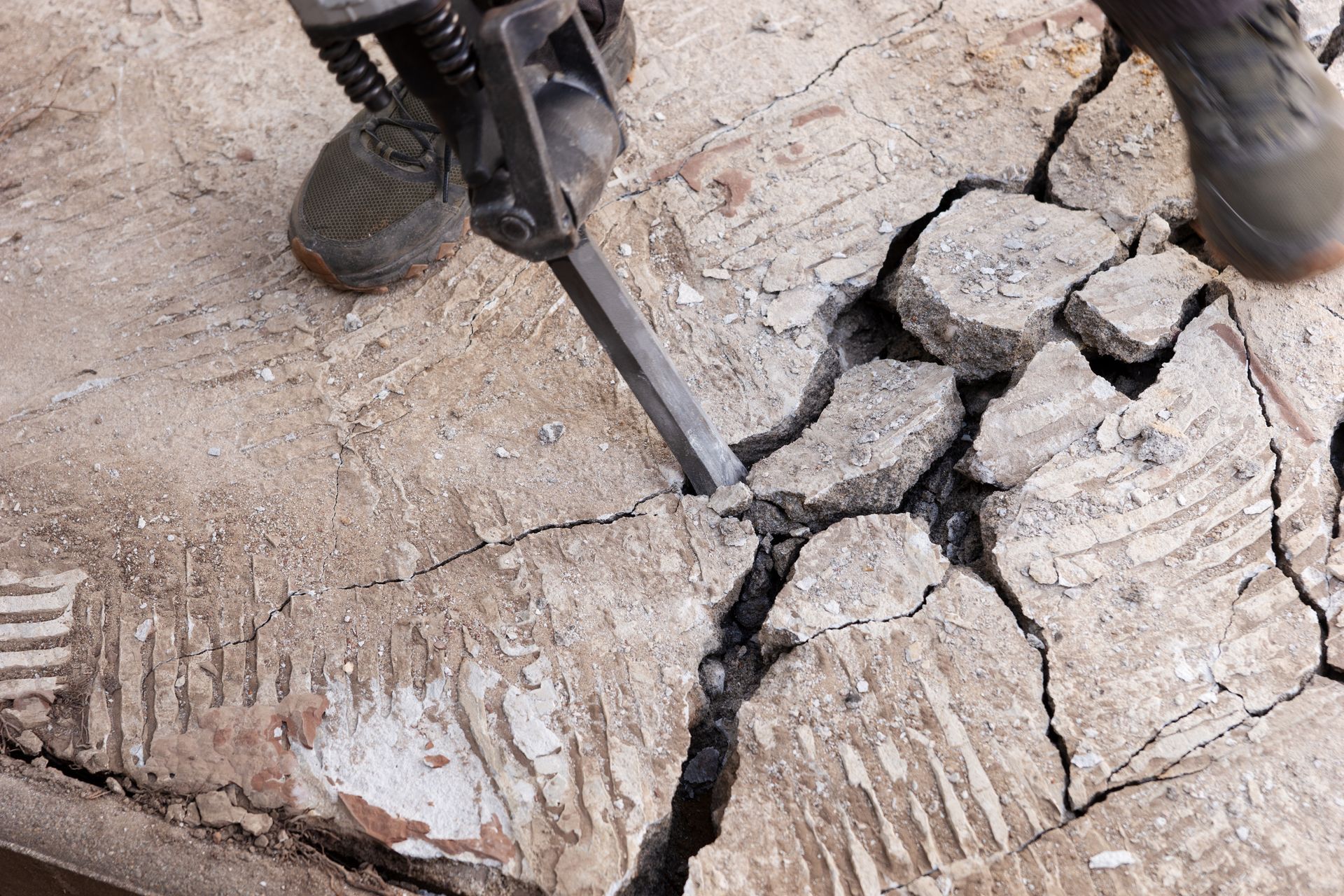
Sunken driveways are one of the most common concrete problems facing homeowners in Littleton, CO, and the mistakes made when dealing with them can turn a straightforward fix into a costly headache. Concrete driveway mudjacking offers a practical, non-invasive way to lift and stabilize settled slabs, but only when homeowners approach the problem the right way. This guide breaks down the most common errors so you can avoid them.
Mistake 1: Waiting Too Long to Act
Waiting to fix a sunken driveway almost always makes the problem worse. When a slab drops, it creates an air gap beneath the concrete. Every freeze-thaw cycle that Littleton, CO's Front Range winters deliver pushes more soil away and widens that void. By spring, what started as a small settlement can become a serious structural issue.
The longer a slab sits unsupported, the more stress concentrates along its edges. Cracks spread. Adjacent slabs shift. A job that could have been handled quickly becomes far more involved. Acting early keeps the repair straightforward and limits disruption to your driveway.
Mistake 2: Ignoring Drainage Problems Around the Driveway
Poor drainage is one of the top reasons driveways sink in the first place. When water pools beside or beneath a slab, it erodes the supporting soil over time. This is especially common in Littleton neighborhoods where lot grading funnels runoff toward the driveway edge, or where downspouts discharge too close to the concrete.
Fixing the concrete without fixing the drainage is like patching a roof without stopping the leak. The slab may lift successfully, but water will keep washing away the soil underneath. Before or alongside any concrete driveway mudjacking in Littleton, CO, it is worth assessing how water moves across your property. Simple grading corrections and downspout extensions can go a long way toward protecting the repair.
Mistake 3: Treating the Symptom Instead of the Void
Many homeowners see a crack in their driveway and reach for a tube of crack filler. That addresses the surface, but it does nothing about the hollow space underneath. If a void exists below the slab, the concrete will continue to flex and settle no matter how many times the surface is patched.
Mudjacking works by injecting a cement-based slurry through small holes drilled into the slab. The mixture flows into voids, fills them completely, and lifts the concrete back to its original grade. Crack sealing on top of an unfilled void is a temporary cosmetic fix. Filling the void is what actually stabilizes the driveway long term. This approach addresses the root cause rather than the surface symptom.
How Do I Know if There Is a Void Under My Driveway?
A hollow sound when you walk or drive over a section of concrete can indicate a void. Visible cracks running diagonally across slab corners, or sections that rock slightly underfoot, are also common signs. A professional on-site evaluation is the most reliable way to confirm whether a void is present and how extensive it may be.
Mistake 4: Choosing a Contractor Based on Price Alone
It can be tempting to go with the lowest bid, especially when a driveway repair feels urgent. But the material used matters enormously. Some contractors use polyurethane foam, which can settle or degrade differently over time. The cement-based slurry used in traditional mudjacking fills voids more completely and, when mixed correctly, has very low shrink rates.
Beyond materials, equipment and experience affect results directly. A contractor who evaluates the slab thoroughly before starting, uses the right mixture for local soil conditions, and patches the injection holes cleanly after lifting is worth more than a budget price. In the Littleton area, where clay-heavy soils and seasonal freeze-thaw movement are part of the picture, the quality of execution can determine how long the repair lasts.
What Should I Ask a Mudjacking Contractor Before Hiring?
Ask what materials they use in their slurry mix, whether they offer a warranty, and whether the estimate is on-site and free. Find out if they will evaluate drainage as part of the visit. A trustworthy contractor will explain the process clearly, be upfront about whether mudjacking is the right solution for your specific slab, and back their work with a written warranty.
Mistake 5: Assuming Replacement Is the Only Option
A surprising number of Littleton homeowners assume a sunken driveway must be torn out and replaced entirely. Replacement is disruptive, time-consuming, and far more resource-intensive than lifting. In many cases, concrete driveway mudjacking can restore a slab to level grade in a matter of hours, with no cure time required before driving on it.
Replacement also sends tons of concrete to landfills. Lifting preserves the existing slab, which is better for the environment and for your schedule. Unless the concrete is severely deteriorated or crumbling, mudjacking is typically worth evaluating before committing to a full replacement.
Get Your Sunken Driveway Evaluated by a Littleton-Area Expert
Avoiding these mistakes starts with getting an honest, professional assessment of what is actually happening under your slab. CrackerJack Mud Jacking Inc. serves Littleton, CO, and the surrounding Denver Metro area with free on-site estimates, a two-year warranty, and a cement-based mudjacking process that fills voids completely rather than just lifting the surface.
Learn more about the process on the concrete driveway mudjacking service page, or contact the team to schedule your free evaluation. Call (303) 410-7787 today to put your driveway back on level ground.